
![Alter Icons: The Russian Icon and Modernity (Studies of the Harriman Institute, Columbia University) [Hardcover] Gatrall, Jefferson J. A. and Greenfield, Douglas](https://artwheelshop.com/wp-content/uploads/2025/10/91CgpsuEWaL._SY342_-1.jpg)
Description
Passage into the modern world left the Russian icon profoundly altered. It fell into new hands, migrated to new homes, and acquired new forms and meanings. Icons were made in the factories of foreign industrialists and destroyed by iconoclasts of the proletariat. Even the icon&;s traditional functions&;whether in the feast days of the church or the pageantry of state power&;were susceptible to the transformative forces of modernization. In
![Porcelain: A History from the Heart of Europe [Paperback] Marchand, Suzanne L.](https://artwheelshop.com/wp-content/uploads/2025/10/711RJEXsO4L._SY385_-1.jpg)

![The People Work: American Perspectives 1840-1940 [Unknown Binding] unknown author](https://artwheelshop.com/wp-content/uploads/2025/10/01RmKJ4pJL-1.gif)
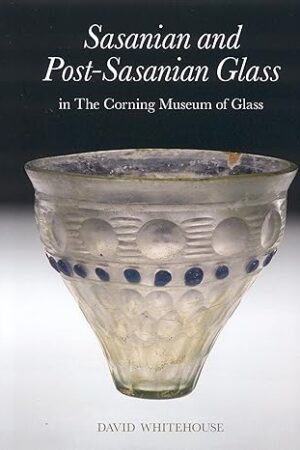


![Fiery Pool: The Maya and the Mythic Sea [Hardcover] Finamore, Daniel and Houston, Stephen](https://artwheelshop.com/wp-content/uploads/2025/10/81LZ35xIJL._SY425_-1-300x425.jpg)


![Georgia's Legacy: History Charted Through the Arts [Paperback] Doezema, Marianne; Smith, Jane Webb; Schneiderman, Richard S. and Spalding, Phinizy](https://artwheelshop.com/wp-content/uploads/2025/10/81WAIZNWVoL._SY466_-1-300x450.jpg)
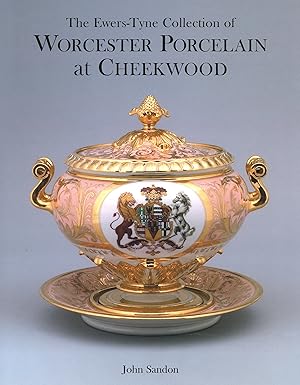
![Leon Levinstein: That's Where The Life Is [Paperback] [Levinstein, Leon] Gee, Helen and B/W Photographs](https://artwheelshop.com/wp-content/uploads/2025/10/91yVQFpDlqL._SY385_-1.jpg)
